

SHARE
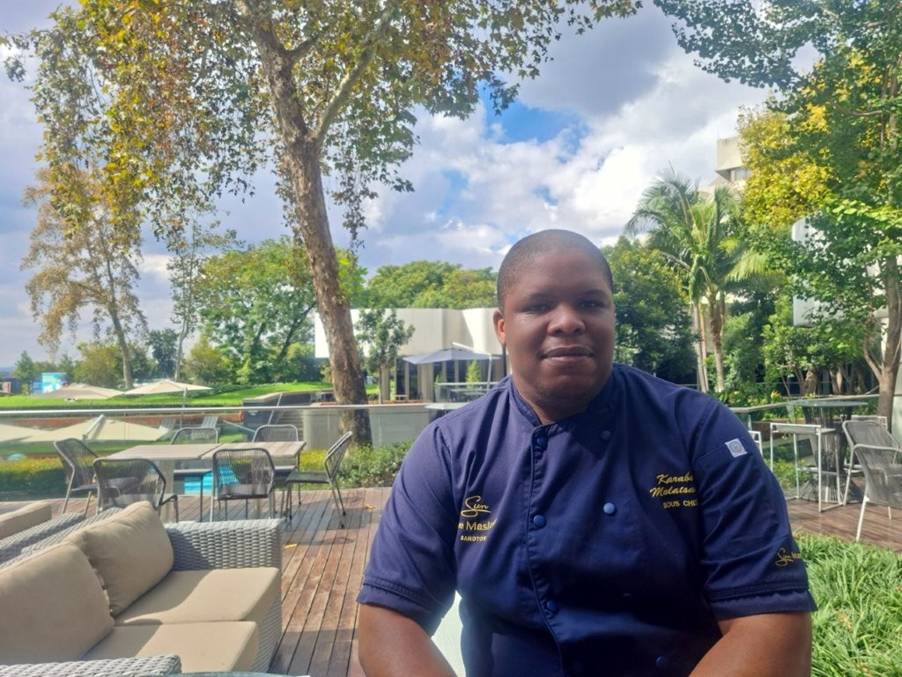
Inside the kitchen of The Maslow Sandton’s sous chef
While most frequently sought out for his meat and pasta dishes, Karabo Molatsana, sous chef at The Maslow Sandton, has a deep appreciation for the humble sandwich.
“It is a masterclass in balance; you can take simple bread and layer flavours, textures, and temperatures to create a truly sophisticated meal,” he says.
He finds seafood the most challenging ingredient to work with. “It is incredibly unforgiving. The window between ‘perfectly cooked’ and ‘inedible’ is a matter of seconds. It requires a high level of intuition and technical skill to get right every single time.”
That said, his signature dish is Seafood Di Maria, a delicate yet vibrant seafood pasta cooked in a rich, authentic Napolitana sauce that balances the sweetness of the tomatoes with the brininess of the ocean. Find his recipe below, with step-by-step instructions on how to recreate this at home. It’s surprisingly simple but overflowing with the wow-factor.
Success in a high-volume kitchen is 90% preparation, and following Molatsana’s golden rule of mise en place, a French culinary term meaning “everything in its place” is just as useful for home cooks, especially when making a recipe for the first time. “Having every component prepped and organised is the only way to maintain calm, precision, and consistency during a busy service,” advises Molatsana, who has been at The Maslow for six months.
His professional journey began at Riverside Sun as a commis chef. “My career has been defined by rapid growth and high-pressure environments; I was headhunted to help open Kream Mall of Africa as a junior sous chef, and later joined the team at Gemelli,” he says.
“There, I rose through the ranks to become the executive sous chef. Following the shifts in the industry post-Covid, I transitioned into private cheffing before taking on leadership roles as head chef for the Empact Group, Six33 County Clubhouse, and Fireroom Montecasino.”
The youngest of four children, Molatsana describes his upbringing as humble and grounded. “I was raised by incredibly supportive and loving parents who instilled in me the value of hard work. I attended Willowridge High School and initially pursued a degree in Financial Accounting at Unisa. However, my underlying passion for the culinary arts eventually led me to change my career path, leading me to formalise my training at The Capital Hotel School where I attained my National Diploma in Culinary Arts.”
The catalyst for diverting from crunching numbers to cooking came during career week when Molatsana was in Grade 9: “I met a professional chef whose presentation opened my eyes to the reality of the industry. I had always been intrigued by the alchemy of cooking, but that encounter transformed a personal passion into a clear, achievable career goal.”
Standing out early on was a massive confidence booster for Molatsana. “Having one of my original dishes selected for a major cooking competition final during my first year of culinary school remains a highlight. It validated my decision to leave accounting for the kitchen,” he says.
The industry has undergone a digital and cultural revolution over the past five years or so, says Molatsana. Beyond the digitalisation of menus, the rise of “foodie” culture and social media influencers has democratised fine dining, making it accessible for everyone to discover new flavours.
“More importantly, we’ve seen a shift toward technical precision in plating and a beautiful resurgence of ‘forgotten’ or under-appreciated indigenous cuisines that are finally getting the respect they deserve on a global stage.”
There is a fascinating movement toward elevated street food, continues Molatsana. “Chefs are taking humble, localised dishes and applying high-end techniques to them. Additionally, we’re seeing ‘viral’ culinary trends—like the Dubai chocolate craze—acting as an impetus for flavour innovation. The growth of artisanal food markets is also vital, as it allows for a direct, creative connection between the producer and the consumer.”
Exploring local markets with his wife is one of Molatsana’s favourite things to do when he’s not in front of the stove or working the pass. This helps him stay on top of those vital street food trends. “And when I’m not thinking about food, you’ll likely find me playing FIFA to unwind,” he says.
RECIPE: Seafood Di Maria
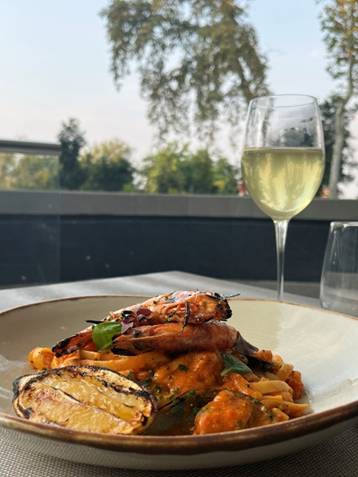
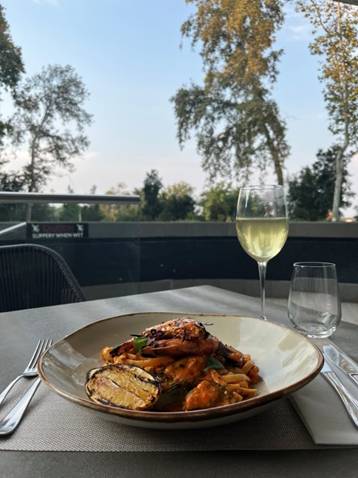
Serves 4
Best served with a nice crisply chilled bottle of Haute Cabrière Chardonnay Pinot Noir.
Ingredients
The Seafood & Pasta
· 500g Linguine or fettuccine
· 250g Prawns, peeled and deveined
· 250g Calamari rings, cleaned
· 500g Fresh mussels, scrubbed and de-bearded
Napolitana-Di Maria Sauce
· 400g Canned crushed Tomatoes (or high-quality passata)
· 60g Unsalted butter
· 30ml Extra virgin olive oil
· 25g Garlic, finely minced
· 120ml Dry white wine
· 60ml Heavy cream
· 10g Fresh basil, torn (for the Napolitana base)
· 15g Fresh parsley, chopped
· 3g Red pepper flakes
· Salt and black pepper to taste
Method
1. Boil 500g of pasta in salted water until al dente. Reserve 100ml of pasta water before draining.
2. In a large, deep skillet, heat 15ml of olive oil. Sear the prawns and calamari for about 2 minutes. Remove and set aside.
3. In the same skillet, add the white wine and the mussels. Cover and steam for 3–4 minutes until they open. Use a slotted spoon to remove the mussels and set them aside with the prawns. Discard any that don’t open. Keep the wine/mussel liquid in the pan.
4. Add the remaining olive oil and minced garlic to the wine liquid in the skillet. Sauté for 1 minute. Pour in the crushed tomatoes and the torn basil. Simmer on medium-low for 8–10 minutes until the sauce thickens and the tomato acidity mellows.
5. Stir in the butter and the cream. Whisk gently until the sauce turns a creamy orange-red. Season with salt, pepper, and red pepper flakes.
6. Add the cooked pasta to the sauce. Toss well to coat every strand. If the sauce is too thick, add a splash of the reserved pasta water.
7. Fold the prawns, calamari, and mussels (and any juices they’ve released) back into the sauce. Heat for 1 minute just to warm the seafood through.
8. Garnish with fresh parsley and a drizzle of olive oil.
Follow The Maslow Hotel for news updates:
Facebook:TheMaslowSandton
Instagram: sun_themaslow
INFO SUPPLIED.