

SHARE
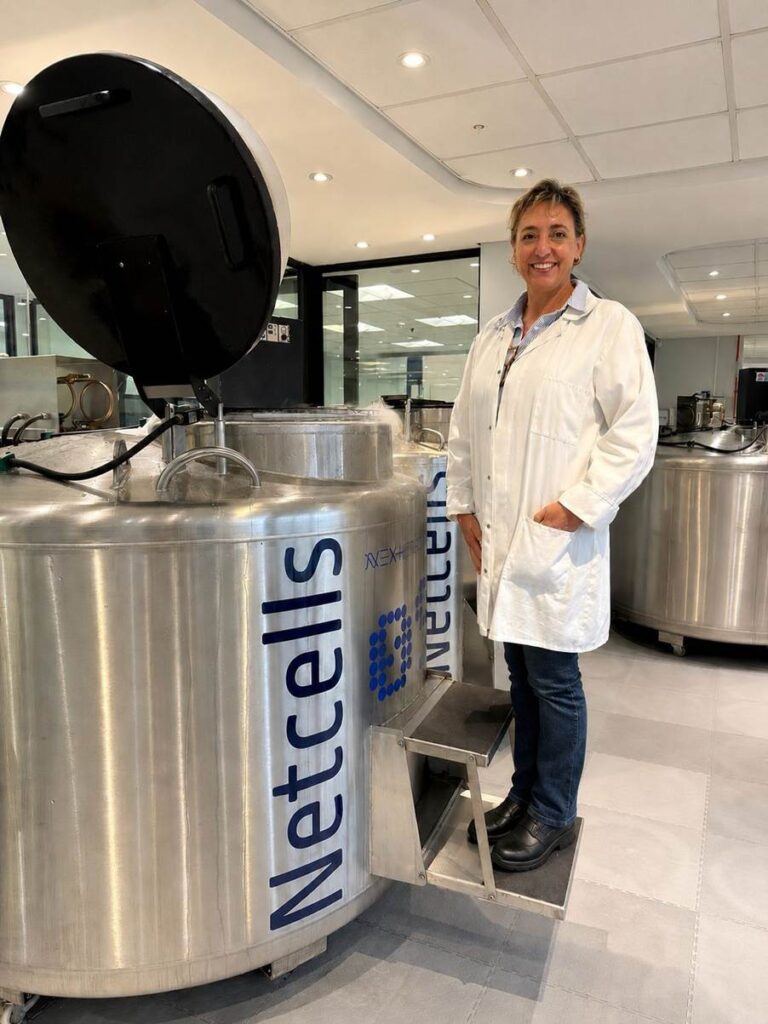
Caption: Dr Yvonne Holt, Chief Medical Officer at Next Biosciences, next to a cryogenic tank used to safely store cord blood and cord tissue for future therapeutic and regenerative medicine applications.
South African patients are increasingly turning to regenerative medicine and cell-based therapies derived from cord tissue in the hope of treating chronic, degenerative and immune-related conditions that conventional medicine often struggles to resolve.
Once considered experimental in the 80s and early 90s, these therapies are now moving into mainstream clinical use worldwide, offering a new approach that focuses not just on managing symptoms, but on supporting the body’s ability to repair and regenerate damaged tissue.
At the centre of this shift are mesenchymal stem cells (MSCs), including those collected from umbilical cord tissue at birth. Early clinical experience, both in South Africa and internationally, suggests these cells may help reduce inflammation, support tissue repair and enable more personalised treatment approaches for complex conditions.
According to Dr Yvonne Holt, Chief Medical Officer at Next Biosciences, a key development in the field is understanding that not all stem cells are the same.
“Cord blood and cord tissue are both rich in precursor type cells, yet they serve very different roles,” she explains. “Cord blood contains hematopoietic stem cells, which are already widely used to treat blood and immune system disorders. Cord tissue, however, contains MSCs, which are being explored in regenerative medicine for their ability to repair damaged tissues, significantly reduce inflammation and help regulate the patient’s immune system.”
Often referred to as the ‘shape shifters’ of medicine, stem cells have the unique ability to develop into different types of cells. MSCs, in particular, are valued for their ability to help regenerate connective tissues, such as skin, muscle, tendon, bone, cartilage and nerves.
How patients are benefiting today
For many South African families who stored their children’s cord tissue with Next Biosciences, advances in regenerative medicine are already translating into tangible benefits. However, treatment may still be possible using donor-derived cells known as allogeneic mesenchymal stem cells (MSCs), which can be sourced from donated placental tissue.
Children and young adults with neurodivergent conditions, such as autism, are showing meaningful improvements. Some who were previously non-verbal or struggled with daily routines are now communicating more effectively, engaging more comfortably in social situations and managing everyday tasks with greater independence. When combined with structured behavioural and lifestyle support, these therapies help families see tangible changes in the lives of their loved ones.
Some adults are also experiencing life-changing results from stem cells sourced from their familial stored cord-tissue. One patient who had suffered for decades with severe neck pain due to degenerative disc disease found significant relief within weeks after targeted injection therapy using MSCs derived from familial-stored cord tissue. Similarly, athletes and active adults are now benefiting from these regenerative therapies, recovering faster from their injuries – regaining both their strength and increased joint mobility, with reported examples including Tiger Woods (knee and back), Rafael Nadal (knee and back) and Cristiano Ronaldo (knee and hamstring.


Credit: Photo: EPA
Caption: Elite athletes Cristiano Ronaldo and Rafael Nadal have both reportedly turned to stem cell therapy to support faster recovery from injuries and help them return to top-level competition.
Caption: Pretoria-based Dr Wian Stander performing a regenerative medicine procedure using mesenchymal stem cells (MSCs) derived from cord tissue to support tissue repair and recovery.
Dr Wian Stander, one of South Africa’s most experienced practitioners and a pioneer in regenerative medicine, focuses on non-surgical treatments that use a patient’s own cells delivered through carefully guided injections to treat medical conditions and injuries. He says these patient experiences show that regenerative medicine is no longer just a future possibility in research, but is already transforming patients’ lives in everyday clinical practice.
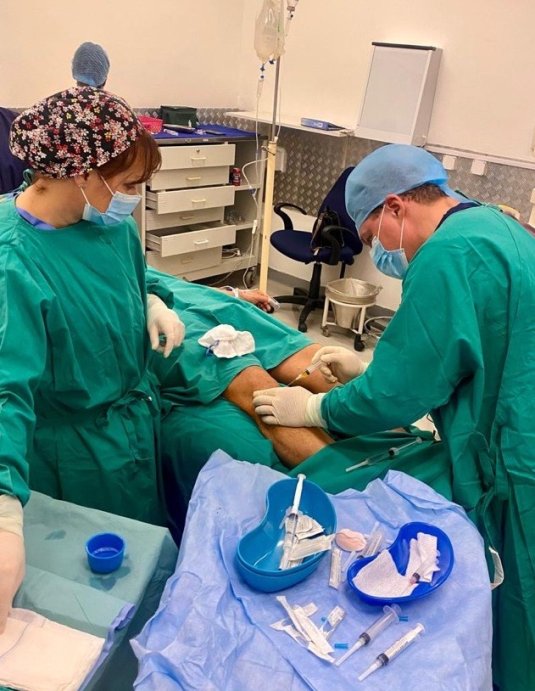
“Regenerative medicine techniques are minimally invasive procedures that can be given through a drip into the bloodstream (intravenously) or injected directly into the affected area using careful imaging to guide placement. When performed in the right clinical setting, they are generally low risk and well tolerated by patients. We have reached a tipping point in modern medicine – regenerative medicine is here to stay.”
A growing field in bedside medicine with global impact
Worldwide, more than 1 900 cord tissue units have been released for use in clinical trials, with 52% applied in regenerative medicine for conditions, such as cerebral palsy, brain injuries, autism and other autoimmune disorders. Early findings also point to encouraging outcomes in addressing degenerative, inflammatory and immune-mediated conditions. While therapies using MSCs are still considered to be evolving, they are increasingly being explored for their potential role in managing complex health challenges.
In South Africa, access to these therapies is expanding rapidly. Some exciting local clinical trials have begun, marking a significant step forward for the country’s regenerative healthcare landscape.
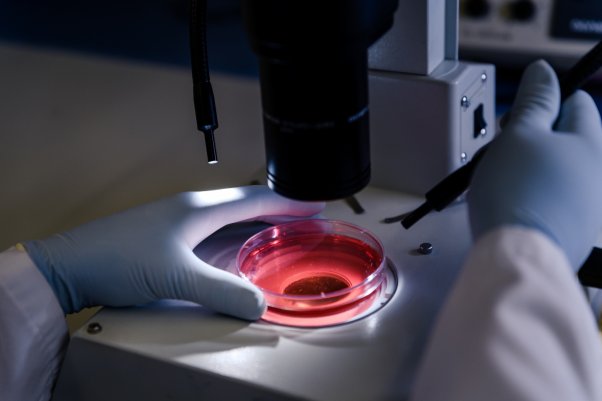
Caption: Mesenchymal stem cells cultured in a laboratory setting. Derived from umbilical cord tissue, these cells are being explored for their potential to support tissue repair, reduce inflammation and help regulate the immune system.
Why bank at birth?
Although stem cells can be obtained later in life from bone marrow or adipose tissue (fat) through lipo-harvesting techniques, there are distinct advantages to banking them at birth, particularly cord tissue-derived MSCs.
“Cells collected at birth are younger, more potent and more adaptable,” says Dr Holt. “They particularly avoid the need for invasive procedures later in life to obtain the cells.”
Cord tissue MSCs are often described as ‘immune-privileged’, meaning they are less likely to trigger rejection to the recipient. This opens up broader potential use – not only for the child, but possibly for compatible family members as well. While stem cells do not provide an endless supply on their own, once banked, they can be expanded under licensed and controlled laboratory conditions for clinical and therapeutic use.
Next Biosciences has recently introduced more flexible stem cell banking options, allowing parents to bank cord tissue separately. While cord blood banking supports established treatments for over 80 blood-related diseases, cord tissue banking – currently available from around R10 000 – offers potential for a broader range of therapeutic applications in regenerative medicine.
Looking ahead
“South Africa has the potential to become a leader in this space,” says Dr Holt. “But it starts with awareness – helping people understand what’s possible, what’s proven and what’s still evolving.”
As science continues to unlock the potential of regenerative medicine, banking cord blood or tissue is increasingly viewed as an investment in future health.
“Ultimately, it’s about giving families more options. We may not need these therapies today, but in the future, they could make a meaningful difference in how we treat disease and support healing,” she says.
- Familial-stored cord tissue refers to the private preservation of a newborn’s umbilical cord tissue in a cryogenic bank for exclusive use by the child or their biological family.
INFO SUPPLIED.