

SHARE
EZEKIEL PHALANA
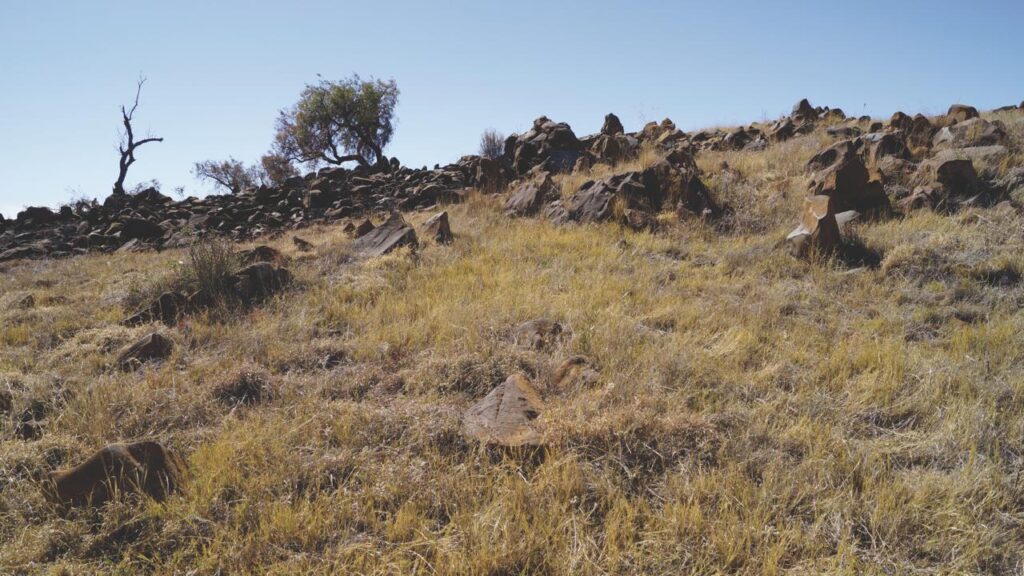
Thaba Sione, a hallowed hillscape in the North West Province, stands as a testament to South Africa’s deep spiritual, cultural, and ecological heritage. With more than 500 San rock engravings, a natural spring, medicinal flora, and a legacy of ritual practice, this site is not just an archaeological treasure — it remains a living, breathing centre of spiritual meaning for local communities.
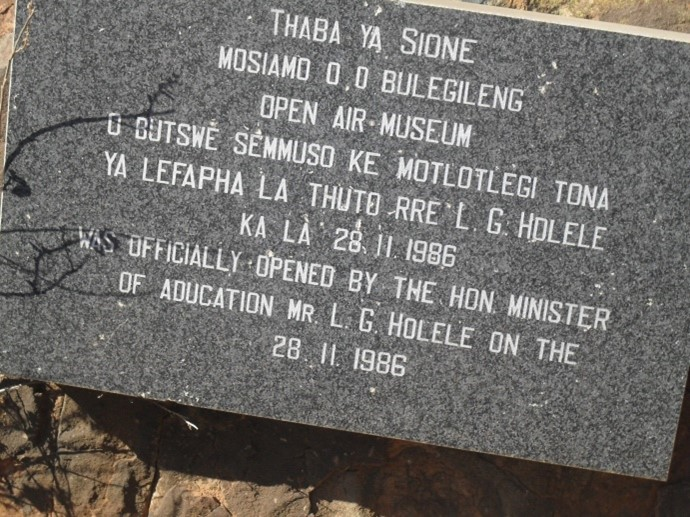
Declared an open-air museum by the former Bophuthatswana government and officially inaugurated by Honourable Minister L.G. Holele on 28 November 1986, Thaba Sione continues to weave together Indigenous Knowledge Systems, community traditions, and ancient art in a profoundly meaningful way.
A Spiritual and Cultural Landmark
The site features over 500 stunning rock engravings, including powerful depictions of rhinoceroses — many polished smooth by repeated human and animal touch.
These engravings — some dating back 1,200 to 10,000 years — are widely understood to reflect San shamanic belief systems related to transformation, gender, and rain-making.
The hill is framed by a seasonal river and spring, maximising its sacred resonance — its waterholes are believed to have been central to ritual practices.
Local Tswana-speaking communities to use Thaba Sione for rain-making ceremonies and other rituals, linking past and present in a living tradition.
Living Heritage, Not Just a Relic
Unlike many heritage sites that are frozen in time, Thaba Sione is still alive — spiritually, culturally, and ecologically. The site is a hierophany, a place where the sacred manifests in the landscape, connecting San cosmology with the beliefs and practices of Tswana-speaking people.
The continuity of use makes Thaba Sione a powerful example of intergenerational transmission of Indigenous Knowledge Systems, where the wisdom of the ancestors continues to shape and enrich modern community life.
Conservation and Recognition
Despite its significance, Thaba Sione faces challenges common to many heritage landscapes: environmental pressures, development threats, and the need for greater public awareness and protection. Heritage practitioners and community leaders call for:
1. Increased protection under national and provincial heritage legislation.
2. Sustainable site management that balances tourism, spiritual use, and ecological health.
3. Educational programs to raise awareness of the site’s value — for both local communities and visitors.
4. Partnerships between government, heritage bodies, and Indigenous custodians to ensure respectful and meaningful preservation.
A Call to Celebrate and Preserve
Thaba Sione is not just an archaeological wonder — it is a living sacred landscape, a vital centre of heritage for both spiritual seekers and future generations. We invite media, cultural organisations, scholars, and tourists to engage with, celebrate, and support the ongoing stewardship of this remarkable place.