

SHARE
EZEKIEL PHALANA
ADDITIONAL INFO AND PICTURES
The South African Breweries (SAB) has convened government, law enforcement, business, civil society and other stakeholders to strengthen public-private partnerships aimed at improving road safety and reducing alcohol-related harm across South Africa.
The engagement, held during SAB’s Cheers to Responsibility Week, focused on turning shared commitments into measurable action through SAB SHARP, the company’s responsible consumption platform centred on three pillars: educate, enforce and innovate.
A key focus was the fight against alcohol-impaired driving. Through its Responsible Driving Programme, SAB has supported the establishment of 34 Alcohol Evidence Centres nationwide, invested more than R52 million in Alcohol Evidence Centres and roadblocks, and contributed to enforcement initiatives associated with more than 60,000 drinking-and-driving arrests since 2022.
The initiatives demonstrate the potential of public-private partnerships to strengthen enforcement capacity, improve evidence collection and support efforts to address drinking and driving.
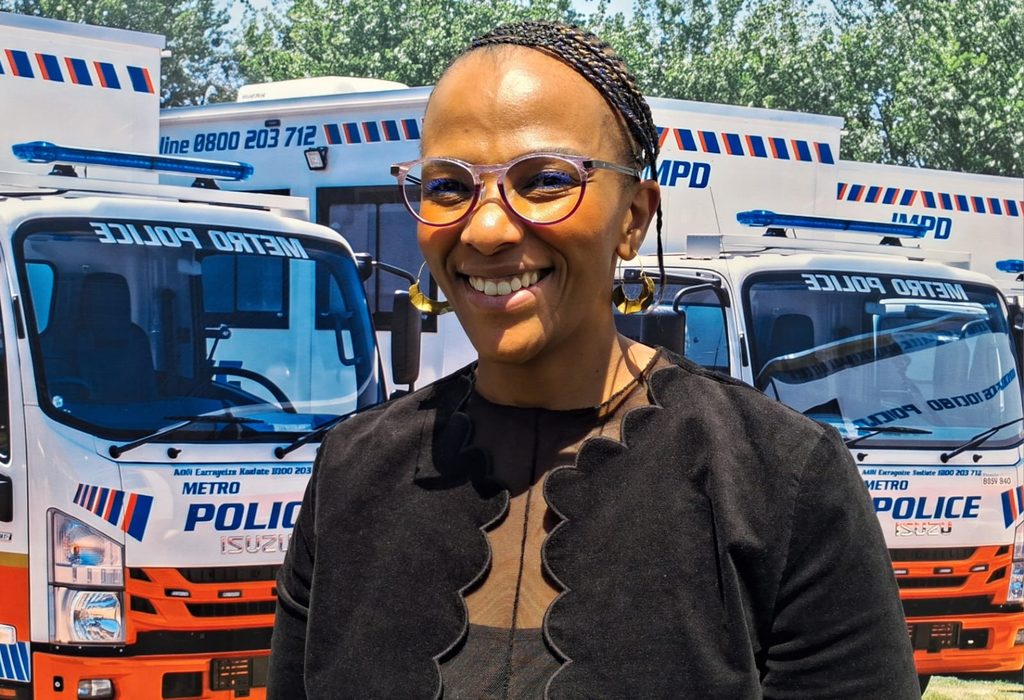
Speaking at the event, SAB Vice President of Corporate Affairs Zoleka Lisa said responsibility remains central to the company’s approach to doing business.
“At SAB, responsibility is embedded in how we do business. Through SAB SHARP, we are investing in initiatives that educate, strengthen enforcement and drive innovation to reduce alcohol-related harm.”
Lisa emphasised that lasting progress requires more than commitments, with government, business, law enforcement and communities needing to combine their expertise and resources to deliver tangible outcomes.
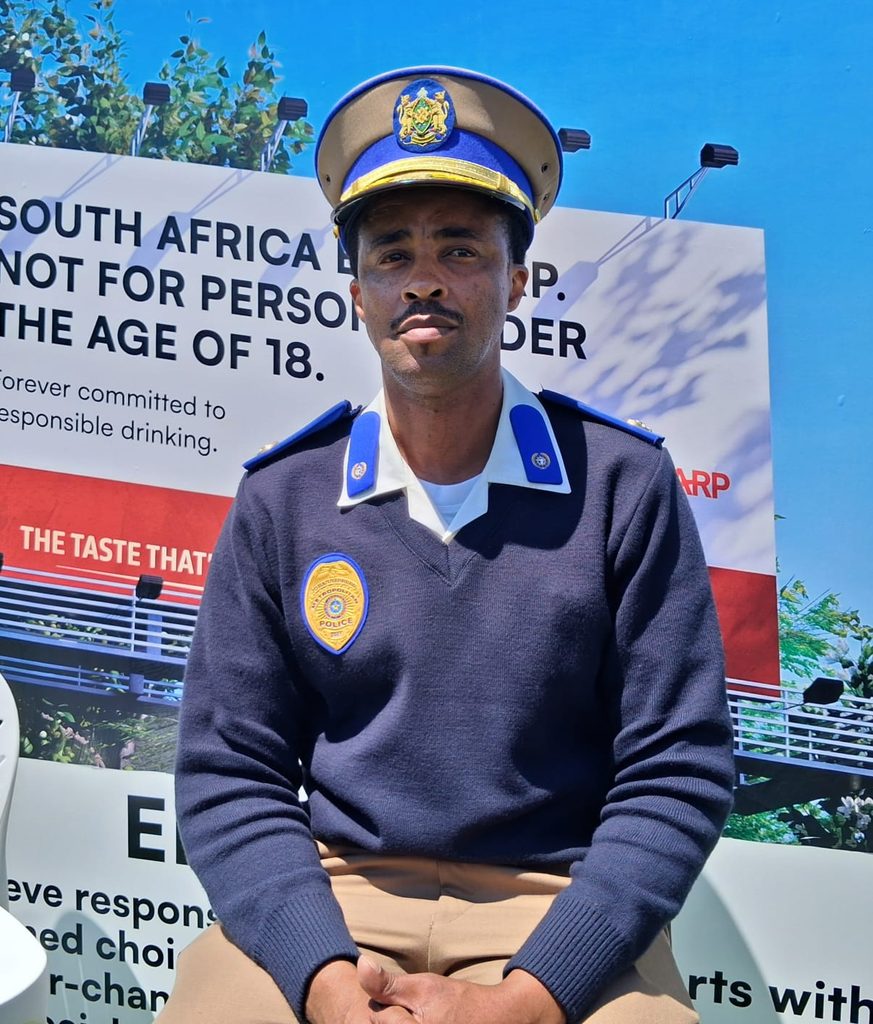
The Johannesburg Metropolitan Police Department (JMPD) has issued a strong warning to motorists and the wider community against drinking and driving, urging road users to make responsible choices and help prevent avoidable crashes and loss of life.
JMPD spokesperson Xolani Fihla emphasised that motorists who consume alcohol should not get behind the wheel. He warned that driving under the influence can place not only the driver at risk, but also passengers, pedestrians and other road users.
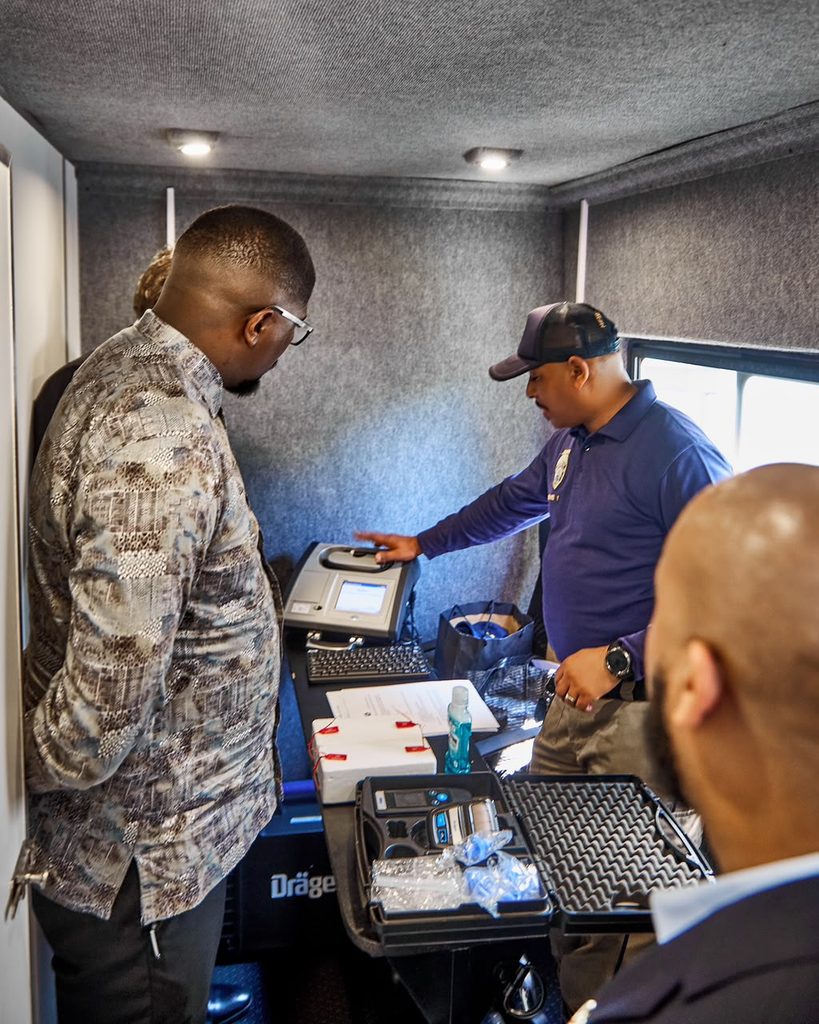
The warning comes as law-enforcement authorities strengthen roadside enforcement through the use of new breathalyser testing equipment, which enables officers to test motorists suspected of driving after consuming alcohol.
Fihla encouraged motorists to plan their journeys responsibly, use alternative transport where necessary and ensure that alcohol and driving do not mix.
The JMPD’s message is clear: if you drink, do not drive. Responsible road use and cooperation with law enforcement remain essential to creating safer roads and protecting lives across Johannesburg.
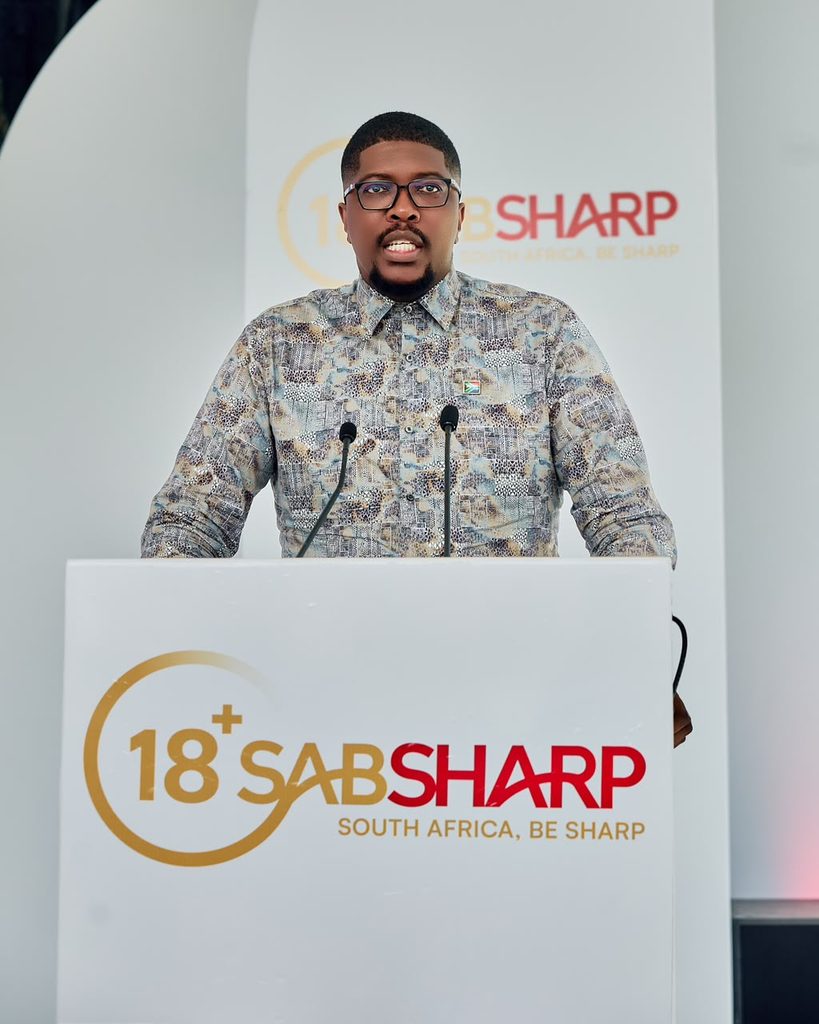
Delivering the keynote address, Deputy Minister of Transport Mkhuleko Hlengwa underscored the importance of collective action, stressing that road safety cannot be addressed by government alone.
“Road safety is not the responsibility of government alone. Sustainable change happens when government, business, academia, law enforcement and communities come together behind evidence-based solutions,” Hlengwa said.
The Deputy Minister highlighted the significant human and economic cost of road crashes and reaffirmed government’s target of reducing road fatalities by 45 percent by 2029 and 50 percent by 2030, in line with the Revised National Road Safety Strategy 2026–2030 and the United Nations Decade of Action for Road Safety.
South Africa recorded 7,462 road fatalities between 1 January and 27 September 2026, representing an eight percent reduction, or 677 fewer fatalities, compared with the same period in 2025. However, the figure remained 137 fatalities above the government’s target for the period.
Alcohol-impaired driving remains a major concern, with current estimates indicating that alcohol contributes to approximately 27 percent of road fatalities in South Africa.

Hlengwa also placed emphasis on the proposed amendment to Section 65 of the National Road Traffic Act, which seeks to introduce a zero-alcohol limit for all drivers. He said the proposed amendment would provide a clear standard for motorists while supporting enforcement, behaviour change and the prevention of crashes.
Enforcement statistics underline the scale of the challenge. Between March and September 2026, law enforcement agencies arrested 19,829 motorists for drunken driving, while more than 8.5 million vehicles were stopped and checked. During the same period, more than 17,000 traffic law enforcement operations were conducted, nearly 3.5 million traffic violation notices were issued, more than 43,000 vehicles were impounded and almost 48,400 unroadworthy vehicles were discontinued from operating on public roads.
Pedestrian safety was also highlighted as a critical priority. Since the beginning of 2026, 3,091 pedestrians have lost their lives on South African roads. Although this represents a 19 percent reduction compared with the same period last year, pedestrians still account for approximately 42 percent of road fatalities nationally.
The Deputy Minister further noted that South Africa recorded 387 major crashes between January and September 2026, an increase of 13 percent compared with the same period in 2025. Approximately 88 percent of these major crashes were linked to human behaviour, including excessive speed, loss of vehicle control, dangerous overtaking, driver fatigue and driving under the influence of alcohol.
These figures reinforce the importance of the Safe System Approach, which recognises road safety as a shared responsibility and seeks to prevent crashes and reduce their consequences.
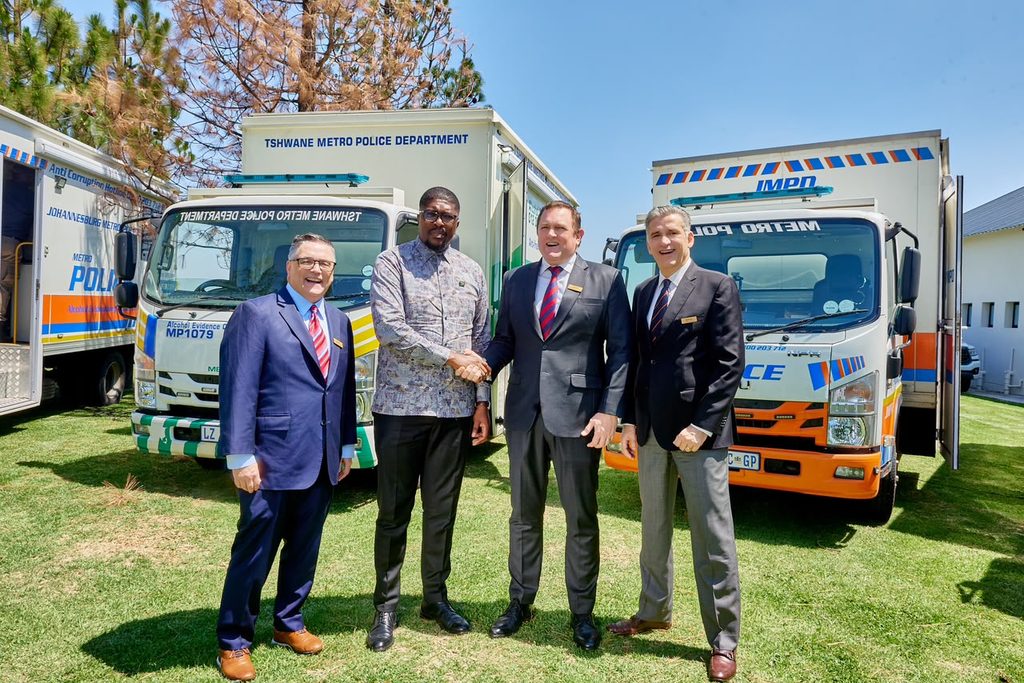
The Department of Transport is also advancing the implementation of the Administrative Adjudication of Road Traffic Offences (AARTO), aimed at improving road-user compliance and accountability through infringement adjudication, demerit points and interventions targeting repeat offenders.
The Deputy Minister welcomed SAB’s contribution through the SHARP Drive Sharp Programme, particularly its support for Alcohol Evidence Centres and other enforcement initiatives.
However, he stressed that the ultimate measure of success should not simply be the number of arrests, but whether fewer people choose to drink and drive, whether crashes decline and whether more South Africans return safely to their families.
The engagement also brought together global and local experts to share insights into responsible consumption, examine successful partnership models and explore opportunities to strengthen and scale evidence-based interventions in South Africa.
Through SAB SHARP, SAB reaffirmed its commitment to working with government and other stakeholders to encourage responsible choices, strengthen enforcement and reduce alcohol-related harm.
The gathering reinforced a shared message: road safety is everyone’s responsibility, and meaningful partnerships can help turn that responsibility into measurable action that protects lives and builds safer communities.