

SHARE
EZEKIEL PHALANA
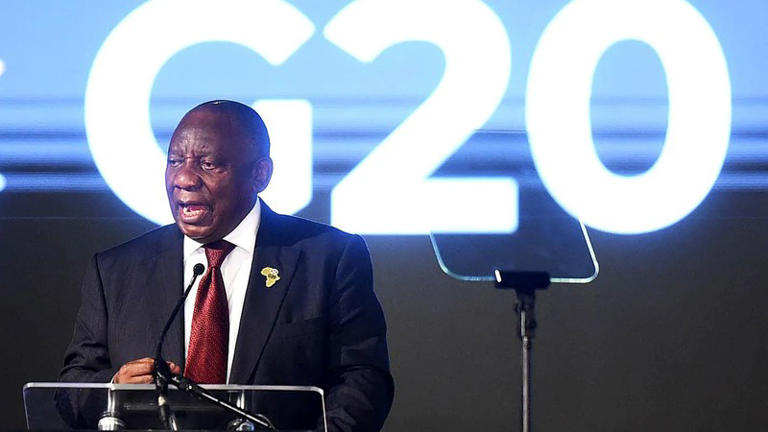
President Cyril Ramaphosa’s ambitious trillion-rand infrastructure investment plan, positioned as a catalyst for economic recovery and job creation, is facing growing criticism as South Africa’s youth unemployment crisis deepens.
The multi-year infrastructure programme, which prioritises investment in transport networks, energy, water systems, and public works, has been presented by the Presidency as a cornerstone of economic renewal and employment generation. Government leaders argue that large-scale infrastructure spending will stimulate growth, attract private investment, and create thousands of jobs across key sectors.
However, opposition parties and policy critics have raised serious concerns about the credibility, timing, and effectiveness of the plan—particularly in addressing unemployment among young South Africans.
According to recent labour data, youth unemployment remains among the highest in the world, with more than half of South Africans aged 15–24 unable to find work, and joblessness among those aged 25–34 continuing to climb. Critics argue that while infrastructure investment may yield long-term economic benefits, it has failed in the past to deliver rapid or inclusive employment outcomes, especially for the youth.
Opposition party ActionSA has challenged the government’s repeated infrastructure commitments, describing them as “recycled promises” that lack measurable delivery milestones and enforcement mechanisms. The party contends that without decisive structural reforms—such as reducing red tape, supporting small businesses, and improving skills development—large spending announcements risk becoming symbolic rather than transformative.
Analysts have echoed these concerns, noting that infrastructure projects often require lengthy planning and implementation phases, delaying their impact on employment. They warn that without stronger governance, transparency, and private-sector participation, the plan may struggle to translate into meaningful job creation for young people in the short to medium term.
In response, President Ramaphosa has reaffirmed government’s commitment to rebuilding state capacity, combating corruption, and ensuring that infrastructure investment is aligned with broader economic reforms. In recent public addresses, he has emphasised that tackling unemployment—particularly among the youth—requires a multi-pronged approach combining investment, education, skills training, and entrepreneurship.
As South Africa enters a critical economic period, the debate surrounding the trillion-rand infrastructure plan highlights a central national question: can large-scale public investment deliver real opportunity for a generation facing persistent exclusion from the economy?
The coming months are expected to test whether government can convert ambitious commitments into tangible outcomes for millions of unemployed young South Africans.
IMAGE SOURCED FROM MSN WEBSITE.